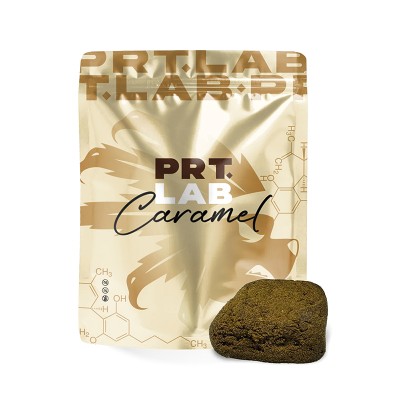
What separates one resin from another
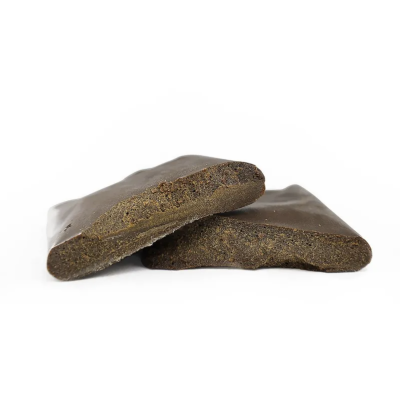
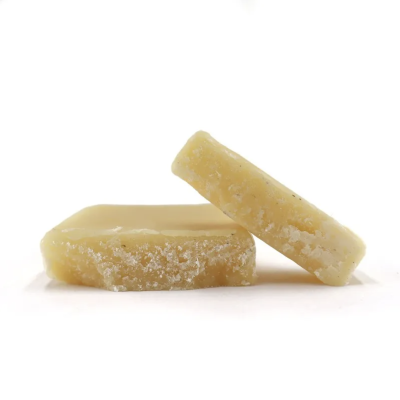
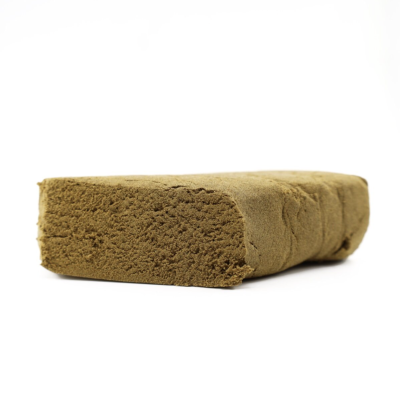
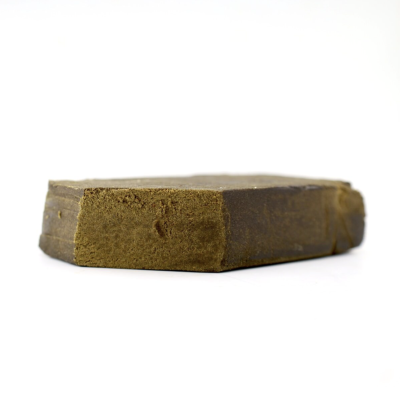
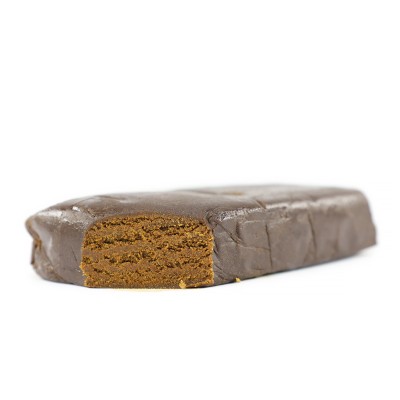
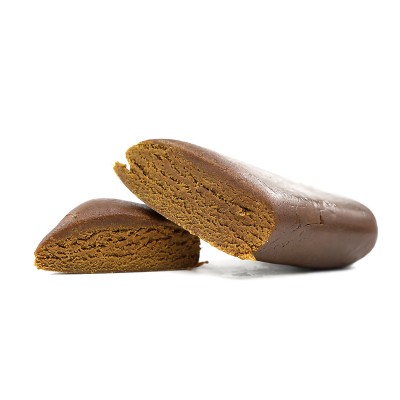
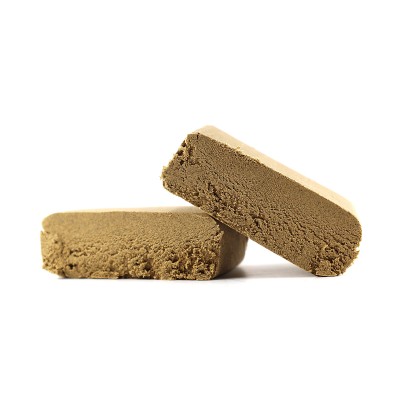
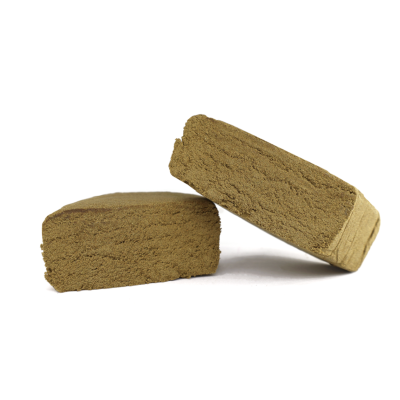
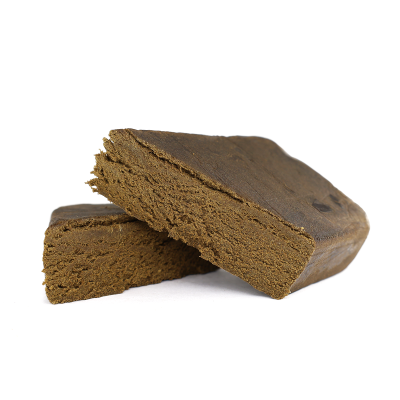
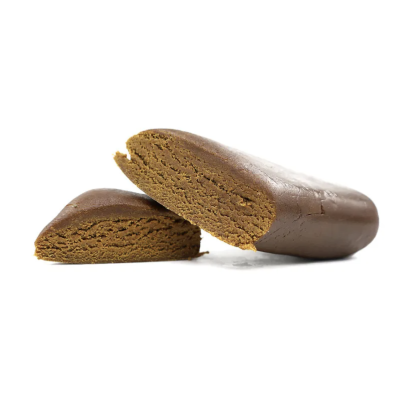
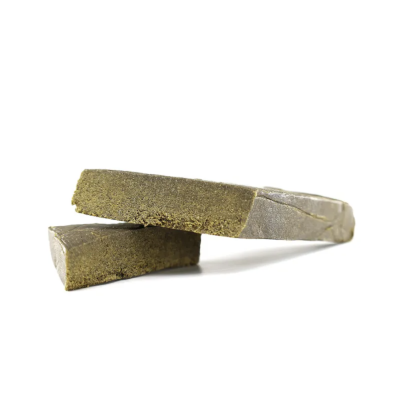
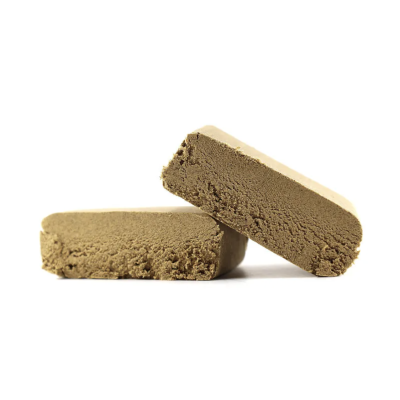
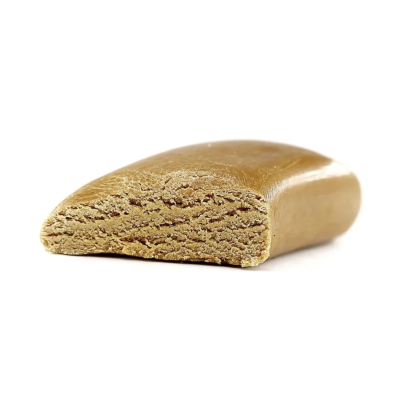
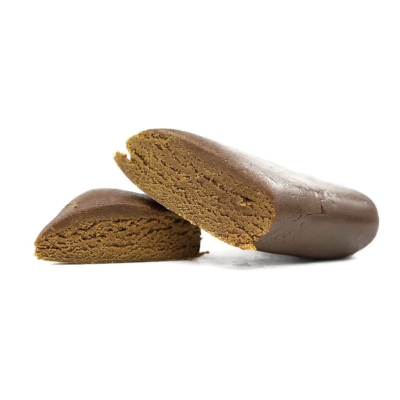
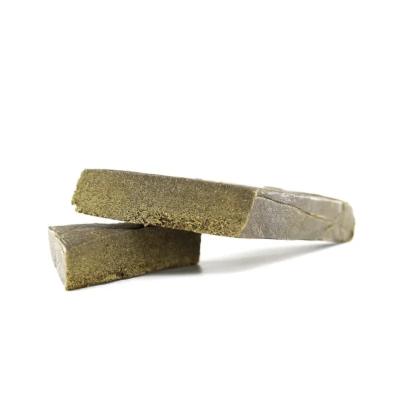
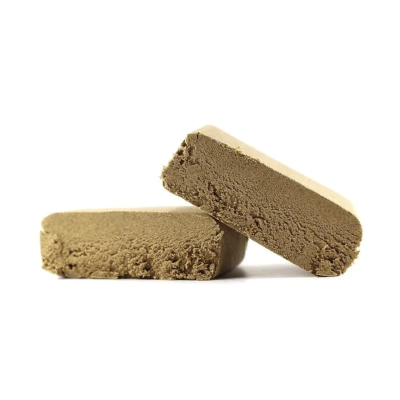
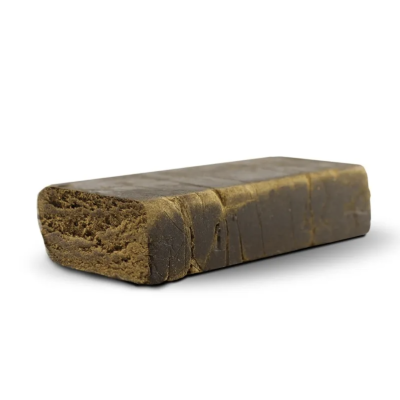
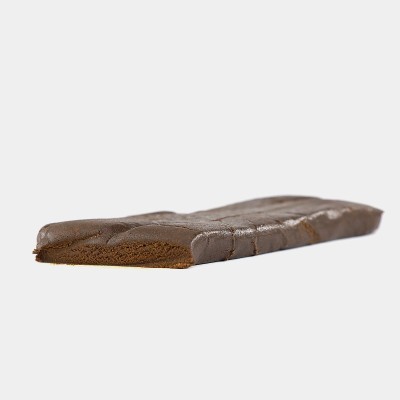
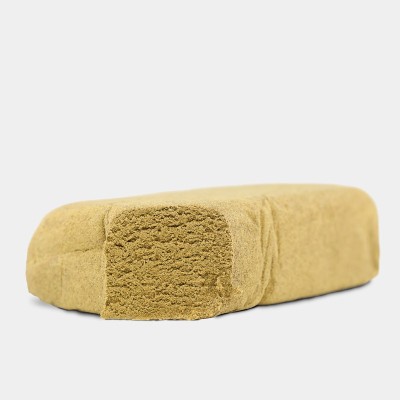
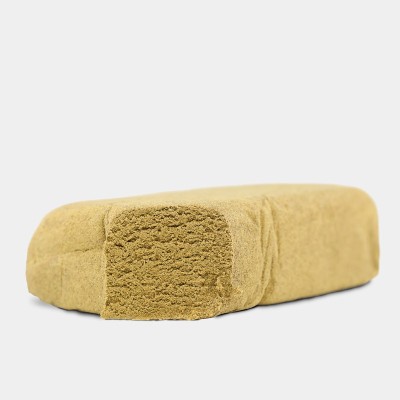
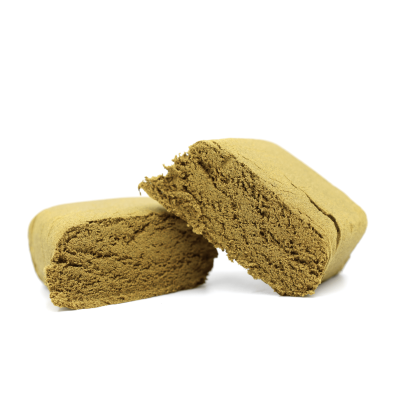
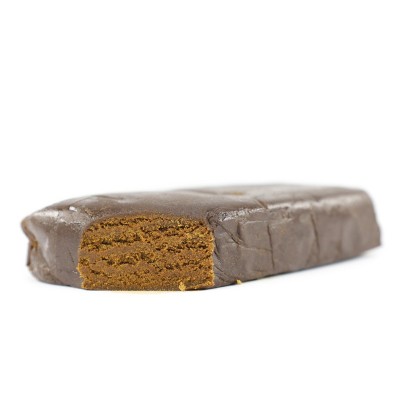
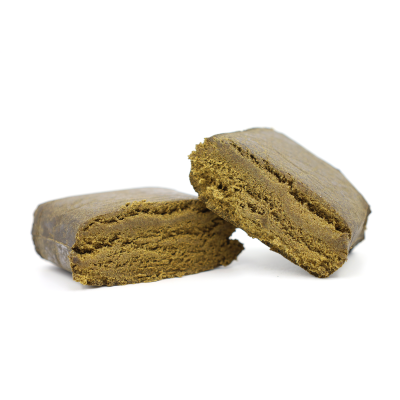
Three variables decide everything on this shelf. Separation method: dry-sift, hand-rubbed, fresh-frozen or solvent, which sets the texture and the cleanliness. Infusion: whether distillate was added after pressing, which is what lets a figure reach 45 or 60%. Cure: whether the resin was pressed hot and shipped, or cold-cured over weeks as with Piatella, which preserves monoterpenes that would otherwise be gone. A 60% infused block and a 30% cold-cured slab are not competing products.
Choosing your resin
For potency
10-OH+ hash at 45% and Delta-10 at up to 60% are the strongest things here, both infused and both consistent batch to batch.
For flavour
Magic Sauce hash uses live resin for terpene depth that distillate cannot reach, and Piatella goes further still by adding nothing at all.
For value and for mixing
CBD hash is the cheapest resin we sell and the standard way to soften a stronger joint without ending the session.
Why resin beats flower at volume
Two reasons, and both are practical. A sealed block exposes a fraction of the surface area that loose flower does, so it holds its profile for a year or more rather than six months. And it carries considerably more cannabinoid per gram, which means less storage space for the same number of sessions. If you are buying a kilo of anything, buy resin. Adults only where an effect is involved. Never drive after use, and consult a healthcare professional if you are pregnant, breastfeeding or on medication.
How to consume resin
In a joint
Warm the piece, crumble it thin over flower. Portions run from 0.1g for a 60% infused resin to 0.3g for CBD.
In a pipe or bong
Always use a screen. Resin melts rather than burns and will run straight through an open bowl.
Dabbing and vaporising
190 to 210 degrees for pressed resin, 180 to 220 for solvent extracts like shatters and crumbles.
Why buy resin here
Every batch carries a certificate of analysis covering cannabinoids, pesticides, heavy metals, microbiology and, for solvent extracts, residual solvents. That last figure is the one that matters most and the one most sellers do not publish. Resellers should price up bulk hash.
FAQ
What is the difference between hash and a concentrate?
Hash is mechanically separated trichomes, so it still contains some plant material and burns as well as melts. A solvent concentrate is extracted chemically and vaporises almost completely.
Why does infused resin reach 60% when native resin stops at 41%?
Because distillate is added. 41% is close to the practical ceiling for concentrating what the plant produced.
Does resin keep better than flower?
Considerably: a year or more against roughly six months, because far less surface is exposed to air.
Why is my block hard?
Cold. Thirty seconds in your hand makes it workable and says nothing about quality.
Can I use resin for edibles?
Yes, and it is efficient. Infused resin needs no decarboxylation; native THCA resin does, at 110 degrees for 40 minutes.
Which resin for a first purchase?
A 30% infused block or a CBD block. Start below 45% until you know how you portion.